
More info
lifeline-connect
Lifeline-connect is a faith-based residential recovery center for men overcoming life-controlling drug and alcohol addictions.
By providing a whole-life treatment program, Lifeline-connect has assisted men in rebuilding their lives spiritually, physically, emotionally, and financially.
The residential recovery program is a one year enrollment giving the resident ample time to recover, discover purpose, and be equipped for a lifetime. Research has proven that recovery programs of 30–90 days are not as effective in regards to long-term recovery.
While enrolled, a resident is engaged in a multi-phased comprehensive curriculum which includes: relapse prevention tools, life management skills, accountability plans, personal financial responsibility education, and an integration of Biblical principles
Lifeline-connect residents receive support from a loving and caring church community.
While enrolled, a resident is given the opportunity to re-enter the workforce and begin his re-entry to a productive life of purpose.
Minimum 12-month commitment
No nicotine use
No active warrants (pending cases must be disclosed to staff)
program requirements
Applicants must complete a 7-day phone interview
A staff member will assign a daily call time within a two hour window. If the call is missed, you must text within the same time window.
Missing the call/text window requires restarting the interview process
interview process
medication policy
Lifeline Connect is not a medical or psychiatric facility
We are unable to accept residents who require psychotropic medications (including medications for depression or anxiety), as we do not have licensed medical professionals on-site to safely monitor or manage these medications.
Non-psychiatric maintenance medications (e.g., blood pressure, diabetes, cholesterol) are typically allowed
All medications must be disclosed and approved during intake
program structure
Lifeline Connect is a men’s residential recovery program focused on structure, support, and accountability
The program progresses in phases: healing → stability → independent living
-
To give you the best chance at a fresh start, there is no outside contact—no phone calls or letters. This time is set apart to help you focus fully on yourself, your recovery, and the foundation you’re building.
-
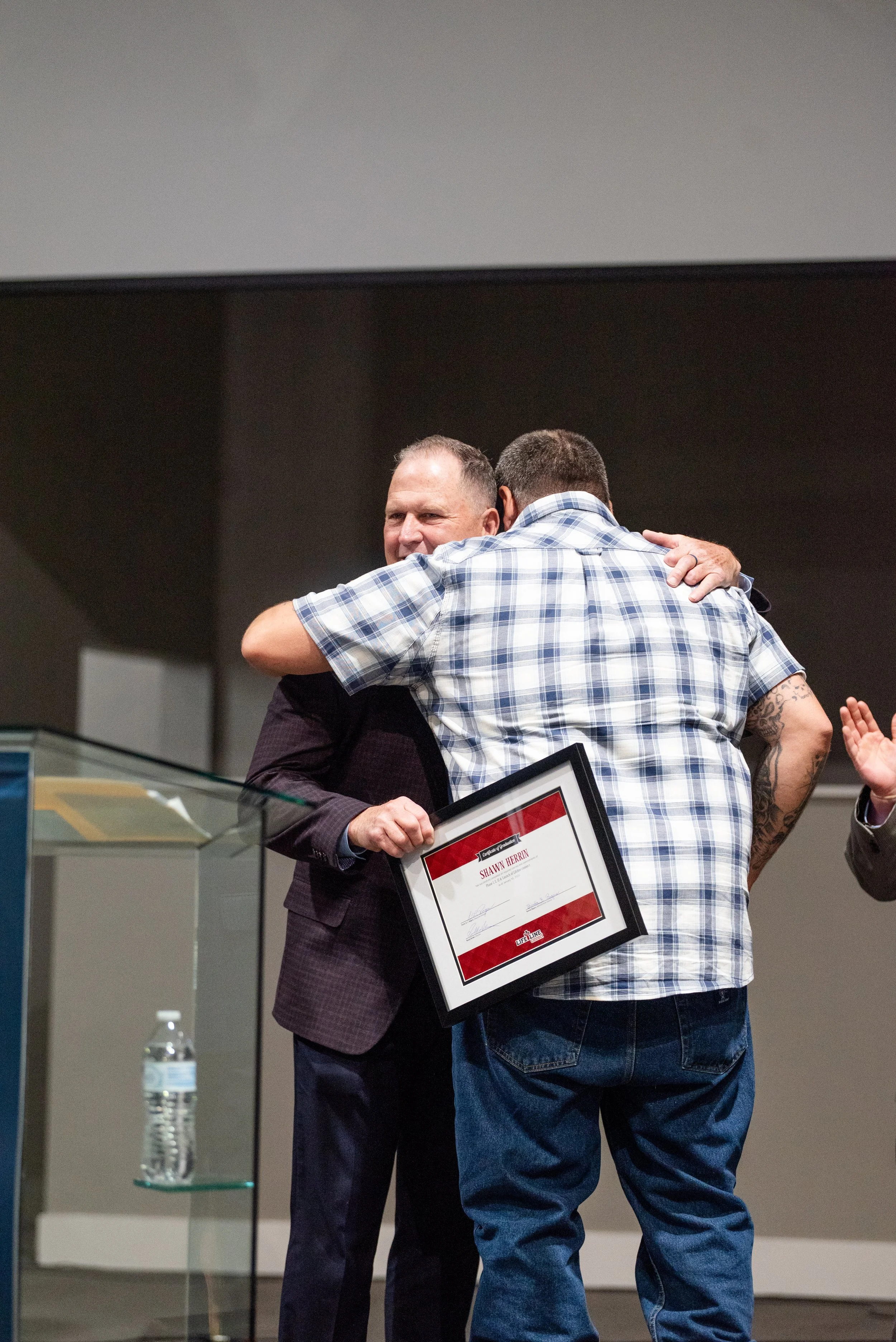
After six months, residents can apply to enter Phase Two. This phase allows you to begin working in the community up to 25 hours per week, while learning responsibility and building savings for the future.
-
At nine months, residents can apply for Phase Three. In this phase, residents move into phase 3 housing where they gain more independence and increase work hours, and may have access to a personal cell phone (resident provided) as they take on more responsibility.
-
Some men benefit from extra time after completing the program. Our Launch option provides more independence with continued accountability. Residents work full-time to save money while still living under the safety and support of a healthy environment.
Lifeline Connect is a highly structured men’s residential recovery program designed to build stability, spiritual strength, and personal responsibility through consistent daily routine. Each day begins early with rising together and taking ownership of assigned chores and responsibilities. Residents function within clear order of seniority, which helps reinforce accountability, leadership development, and respect for structure.
Mornings begin with prayer and study hall, setting the tone for growth and focus. Throughout the week, residents engage in daily classes led by staff, which offer practical recovery tools alongside spiritual and personal development. Residents are also connected to a healthy church community as part of Life Church CU, attending all services, and participating in a weekly Navigate Recovery Meeting for ongoing support and encouragement.
During the week, residents rotate through scheduled activities that strengthen work ethic and teamwork. On certain days, they spend a few hours in the community participating in fundraisers, learning consistency, communication, and responsibility. On other days, they serve by helping clean and maintain the church, keeping the campus and ministry spaces organized and cared for.
As residents progress through the phases, the program gradually increases independence. In Phase Two, approved residents begin working off campus up to 25 hours per week while continuing structured classes and program expectations. In Phase Three, work hours increase further as residents demonstrate greater maturity and stability, and classes decrease to allow for the added responsibility, while still maintaining accountability, spiritual disciplines, and support. In addition to this, individuals will be engaged in small groups and one-on-one sessions that will explore the underlying cause of addiction that is often connected to our past experiences.